
-

Kitchen do’s and don’ts: Avoiding cooking burns
Read more: Kitchen do’s and don’ts: Avoiding cooking burnsThe holidays are a busy time in the kitchen. Whether you’re preparing a large meal for family or hosting a holiday party, practicing safety strategies in the kitchen can help your friends and family avoid burns and injuries and keep the festivities rolling. Explore the following “do’s” and “don’ts” in the kitchen to celebrate safely…
-

Common Orthopedic Injuries That Occur at Home
Read more: Common Orthopedic Injuries That Occur at HomeOrthopedic injuries at home are very common. Millions of people visit the emergency room every day for injuries sustained from home activities such as cleaning, cooking or gardening. Falling is the No. 1 cause of home injuries in the U.S., with children under the age of 5 and adults over 70 most susceptible to fall-related…
-
Understanding the Stages of Labor
Read more: Understanding the Stages of LaborLabor is a natural, three-stage process that is unique to each person who gives birth. For some, one stage may last hours, while others might breeze through it and move onto the next stage. Though it’s impossible to predict how your labor and delivery will go, understanding what to expect can help you feel more…
-

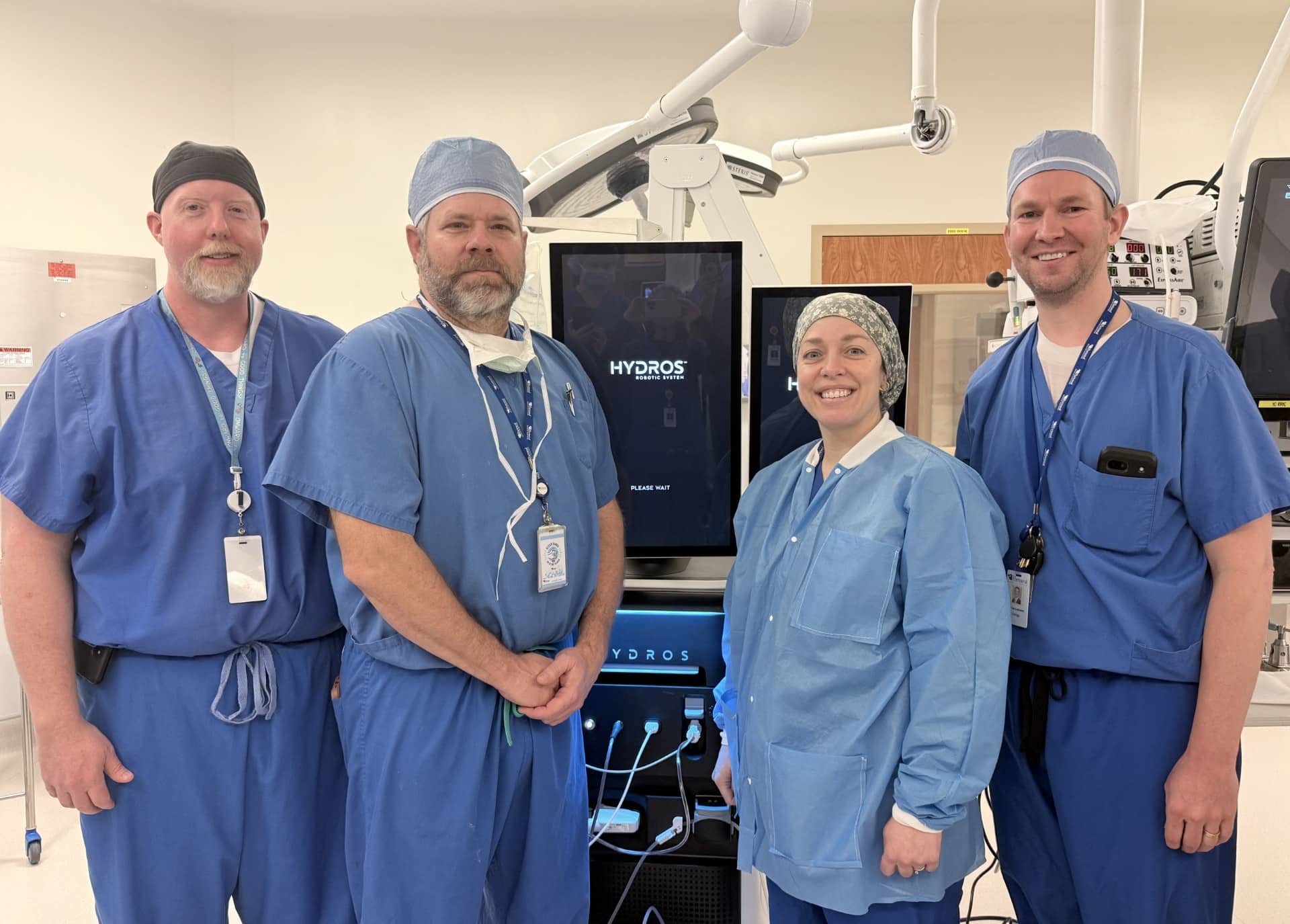
Portneuf Medical Center now offers the HYDRO Robotic System: A Cutting-Edge AI-Powered Platform for Aquablation Therapy to Treat BPH
Read more: Portneuf Medical Center now offers the HYDRO Robotic System: A Cutting-Edge AI-Powered Platform for Aquablation Therapy to Treat BPHPMC now offers Aquablation therapy with the new HYDROS Robotic System, the next-generation platform to treat men suffering from benign prostatic hyperplasia (BPH), commonly known as an enlarged prostate. Aquablation therapy, now delivered by an AI-powered robotic system, is clinically proven to provide significant, durable BPH symptom relief while preserving sexual function and continence across…
-
Questions to Ask Your Primary Care Provider
Read more: Questions to Ask Your Primary Care ProviderHaving good communication and a strong relationship with your primary care provider (PCP) is one of the best ways you can protect your long-term health. Whether you’re in your 20s and starting to build healthy habits or staying active well into your later years, knowing the right questions to ask can turn a routine appointment…
-
Do You Know Your Risk?
Read more: Do You Know Your Risk?Breast cancer is one of the most common types of cancer in American women. Roughly 13%, or one in eight women, will develop breast cancer in their lifetime. New advancements in detection and treatment have increased breast cancer survival rates, and when caught in its earliest, localized stages, the survival rate is over 99%. One…
-
Questions to ask during your first obstetrics appointment
Read more: Questions to ask during your first obstetrics appointmentA new pregnancy is exciting, emotional and sometimes a little overwhelming! One of the most important first steps to take as an expectant parent is choosing the right obstetrics provider (OB-GYN). The right provider should: The first appointment with them is your opportunity to start building a relationship with the OB-GYN who will guide you…
-
How to choose the right OB-GYN
Read more: How to choose the right OB-GYNFor women, an obstetrics and gynecological specialist (OB-GYN) is one of the most important members of their healthcare team. These experts are specifically trained to treat women in all stages of life, including pregnancy and giving birth. The right OB-GYN should support your goals, listen to your thoughts, provide clear answers to questions and encourage…
-
What to expect at your first mammogram
Read more: What to expect at your first mammogramIf you’ve never had a mammogram before, it can be hard to know exactly what will happen. You may have many questions before, during and after the procedure about anything from preparation, the mammogram machine or your screening results. The good news is that a mammogram is a quick, simple screening that plays an important…
-

Frequently asked questions about the flu
Read more: Frequently asked questions about the fluInfluenza (“the flu”) can be more than a nasty seasonal bug. In some severe cases, the respiratory illness can cause serious complications, especially in older adults, younger children and other more vulnerable populations. Symptoms of the flu include fever, chills, coughing, sore throats, fatigue, and sometimes vomiting or diarrhea. Although it’s a relatively common illness,…









Latest News
- Kitchen do’s and don’ts: Avoiding cooking burns
- Understanding the Stages of Labor
- Common Orthopedic Injuries That Occur at Home
- Portneuf Medical Center now offers the HYDRO Robotic System: A Cutting-Edge AI-Powered Platform for Aquablation Therapy to Treat BPH
- Questions to Ask Your Primary Care Provider