
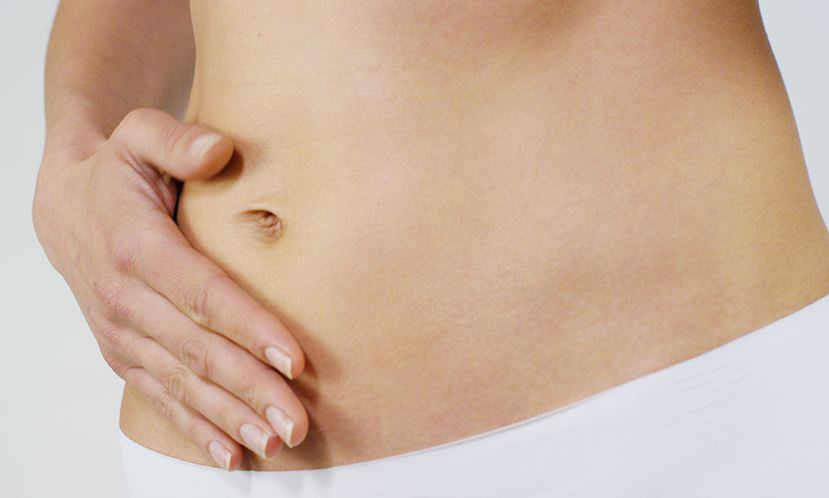
Pregnancy comes with many bodily changes, some more common than others. One bodily change can be a postpartum hernia. If you feel slight pressure or see a protrusion on your abdomen or C-section scar, you may have a hernia. These aren’t overly common, but they do happen, affecting about 5% of new mothers. Understanding what signs and symptoms to look for can help you catch potential issues early and prevent complications.
What is a postpartum hernia?
A hernia develops when an organ or tissue pushes through a weak spot in the abdominal wall. Hernias appear as an uncomfortable or painful bulge that may become more pronounced when lifting objects, straining, exercising or coughing.
Postpartum hernias are most common near the belly button, groin or C-section scar. The abdominal muscle can become weakened during pregnancy, labor and/or delivery, and intense pressure or stretching may cause organs or fatty tissue to push through the muscle wall, causing a visible bulge.
There are three types of hernias that are most common among people who have given birth:
- Inguinal hernia: Occurs near the groin area due to pressure during pregnancy
- Incisional hernia: Occurs at the site of a surgical incision, such as a C-section scar
- Umbilical hernia: Occurs at the belly button from pressure during pregnancy
- Ventral hernia: Occurs in the middle of the stomach, above or below the belly button
Signs of a postpartum hernia
Postpartum hernia symptoms depend on the type of hernia you have and what caused it. Common symptoms include:
- A bump or bulge on the midline above your belly button
- Having a bulging or “outie” belly button after giving birth
- Raised bumpiness along your C-section scar
- Pain or tenderness at the site of your C-section that gets worse when your core muscles are activated
- Constipation and vomiting (rare)
When to see a doctor for a hernia
Hernias do not go away on their own. If left untreated, hernias can grow larger and in some rare cases, create life-threatening complications. If you are experiencing any of the following symptoms, seek emergency medical treatment:
- Extreme or sudden pain near your hernia
- Skin changes in or around the hernia
- Vomiting or severe nausea
Postpartum hernia treatment options
Most of the time, postpartum hernias can be repaired with minimally invasive laparoscopic surgery. During this procedure, the surgeon makes a small incision over the site of the hernia and then repairs the hole or weakened section of the abdominal wall. This can be done with stitches alone or using mesh, depending on the size and location of the hernia. Larger hernias may require traditional, non-laparoscopic (open) surgery to conduct abdominal wall reconstruction.
After surgery, your doctor may recommend you wear an abdominal binder. These wide belts are worn around your stomach to help relieve pressure on your back and support your abdominal muscles.
No matter what type of hernia surgery you’ve had, it’s vital to give your body time to heal. It may take up to a month to recover after hernia surgery, but during that time you should avoid heavy lifting and intense exercise. It is important to always follow your surgeon’s postoperative instructions.
The bottom line
Postpartum hernias can develop for many reasons and in various places, but no matter their size, it’s important to get your hernia treated by a physician. Most hernias will not disappear on their own, but hernias will usually require surgery.
Recognizing symptoms early and seeking timely medical guidance can prevent complications and support a smoother recovery. With proper care, most people heal well from hernias and can return to their normal activities with confidence in no time.